
Walking the Camino de Santiago is one of the most rewarding journeys you can take — but it’s also more physically demanding than many people expect.
While the Camino isn’t a race, you will likely walk 15–30 km (9–18 miles) every day for multiple days in a row.
That means long hours on your feet, mixed terrain, and the challenge of repeating the same effort day after day.
The good news is that with the right preparation, almost anyone can train their body to handle the journey.
This guide will help you build the endurance, strength, and durability needed to enjoy the Camino from the first step to Santiago de Compostela.
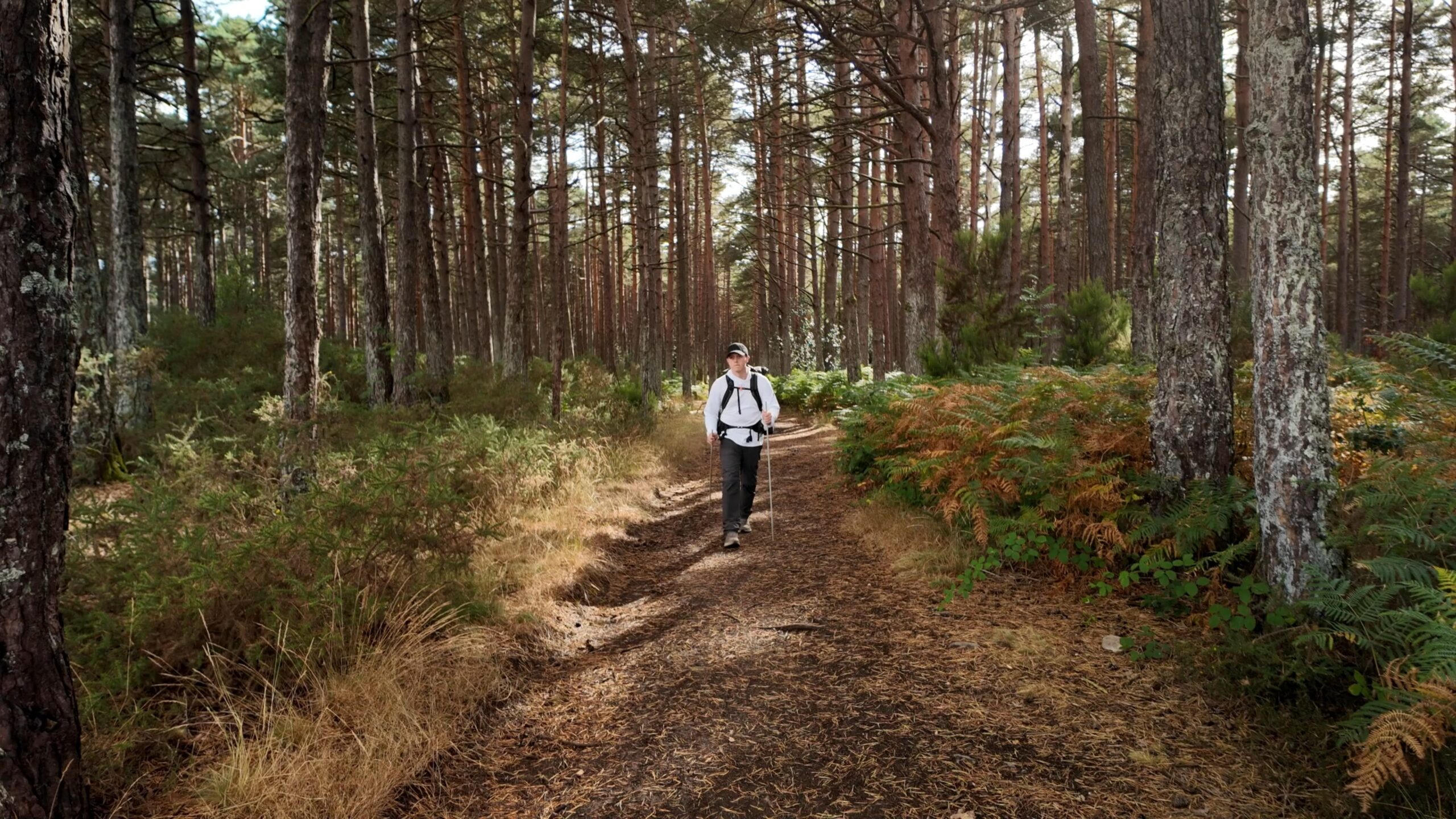
Why Training for the Camino Matters
Most problems on the Camino don’t happen because someone isn’t tough enough.
They happen because the body simply wasn’t prepared for the repetition of daily walking.
Walking 20 km once is manageable for many people.
Walking 20 km for 10 days straight is where preparation becomes important.
Without training, small issues can quickly grow into bigger problems, such as:
- Blisters
- Knee pain
- Shin splints
- Tight calves or Achilles pain
- Lower back fatigue
Training before your trip helps you:
- Build endurance for daily walking
- Strengthen muscles and joints
- Test your shoes and socks
- Learn how your body responds to long walking days
The goal isn’t speed — the goal is durability.
When Should You Start Training?
Most pilgrims benefit from starting their preparation 12–16 weeks before departure.
A general rule:
If you already walk regularly
10–12 weeks of consistent training is usually enough.
If you’re less active or returning from injury
Start earlier and progress gradually.
Your training should focus on consistency, not intensity.
Walking regularly is far more important than doing occasional extreme workouts.
The Three Most Important Training Priorities
Preparing for the Camino is surprisingly simple. It comes down to three main things.
1. Walking Endurance
Walking is the foundation of all Camino training.
Aim for:
- 3–5 walks per week
- Gradually increasing distance
- One longer walk each week
Your body adapts to walking surprisingly quickly if you increase distance gradually.
2. Back-to-Back Walking Days
One of the biggest differences between the Camino and normal hiking is that you walk again the next day.
This is where many people struggle.
During training, begin adding consecutive walking days.
Example:
Saturday: 16 km
Sunday: 10 km
This teaches your body how to recover overnight, which is exactly what happens during the Camino.
3. Strength and Mobility
Stronger muscles protect your joints and reduce fatigue.
You don’t need a gym. Simple bodyweight exercises are enough.
Helpful exercises include:
- Step-ups
- Squats
- Lunges
- Calf raises
- Glute bridges
- Planks
Two short strength sessions per week can make a big difference.
Also include light stretching for:
- Calves
- Hamstrings
- Hip flexors
- Lower back
Train With Your Camino Gear
Your training walks should also help you test the gear you plan to bring.
Use:
- Your Camino shoes
- The socks you’ll wear on the trip
- Your daypack
- Hiking poles (if you plan to use them)
Even if you plan to transfer luggage, you will still carry a small pack with water, snacks, and layers.
Training with your gear helps prevent surprises once you arrive in Spain.
Blister Prevention Starts During Training
Blisters are one of the most common problems on the Camino.
They are usually caused by friction, moisture, and poorly tested footwear.
During training you should:
- Break in your walking shoes early
- Test different socks
- Identify potential hot spots
- Learn what works best for your feet
A small adjustment before your trip can save you days of discomfort later.
Sample 12-Week Camino Training Plan
Here is a simple progression that works well for many pilgrims.
Weeks 1–4: Build the Habit
- Walk 3–4 days per week
- Distance: 5–10 km
- Add one longer walk each week
Goal: build consistency.
Weeks 5–8: Increase Distance
- Walk 4 days per week
- Distance: 8–15 km
- Introduce hills when possible
- Begin training with your backpack
Goal: build endurance.
Weeks 9–11: Camino Simulation
- Walk 4–5 days per week
- One long walk: 18–22 km
- Add back-to-back walking days every 1–2 weeks
Goal: prepare your body for consecutive days.
Final Week: Reduce Volume
In the final week before travel:
- Keep walking, but reduce distance
- Focus on stretching and rest
- Prioritize sleep and hydration
Arrive in Spain feeling fresh and ready, not exhausted.
The Mental Side of Camino Training
Walking the Camino is not only physical — it’s also mental.
Some days feel easy.
Other days feel long.
Training helps prepare your mind for:
- Repetition
- Sore legs in the morning
- Weather changes
- Long quiet stretches of walking
The best mindset is simple:
Focus on one day at a time.
The Camino rewards patience and steady effort.
Final Advice for Camino Preparation
You don’t need to be an athlete to walk the Camino.
But you should prepare your body for daily walking over long distances.
If you can comfortably walk 15–20 km before your trip, you will likely adapt quickly once the journey begins.
And remember — many pilgrims say their bodies grow stronger during the Camino itself.